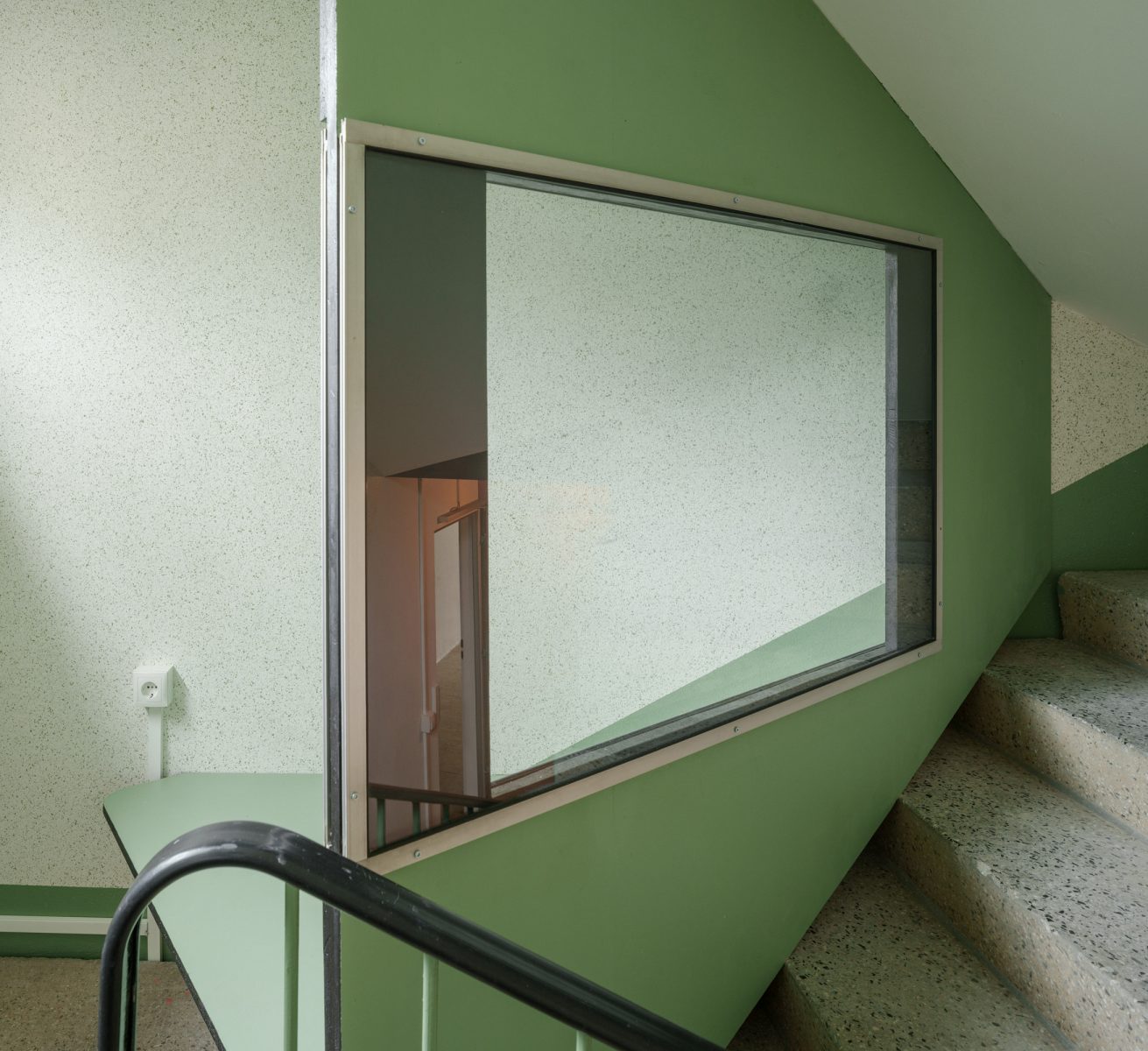
Trial Living in a Living Demonstrator Housed in a Converted WBS 70 Building from 1986
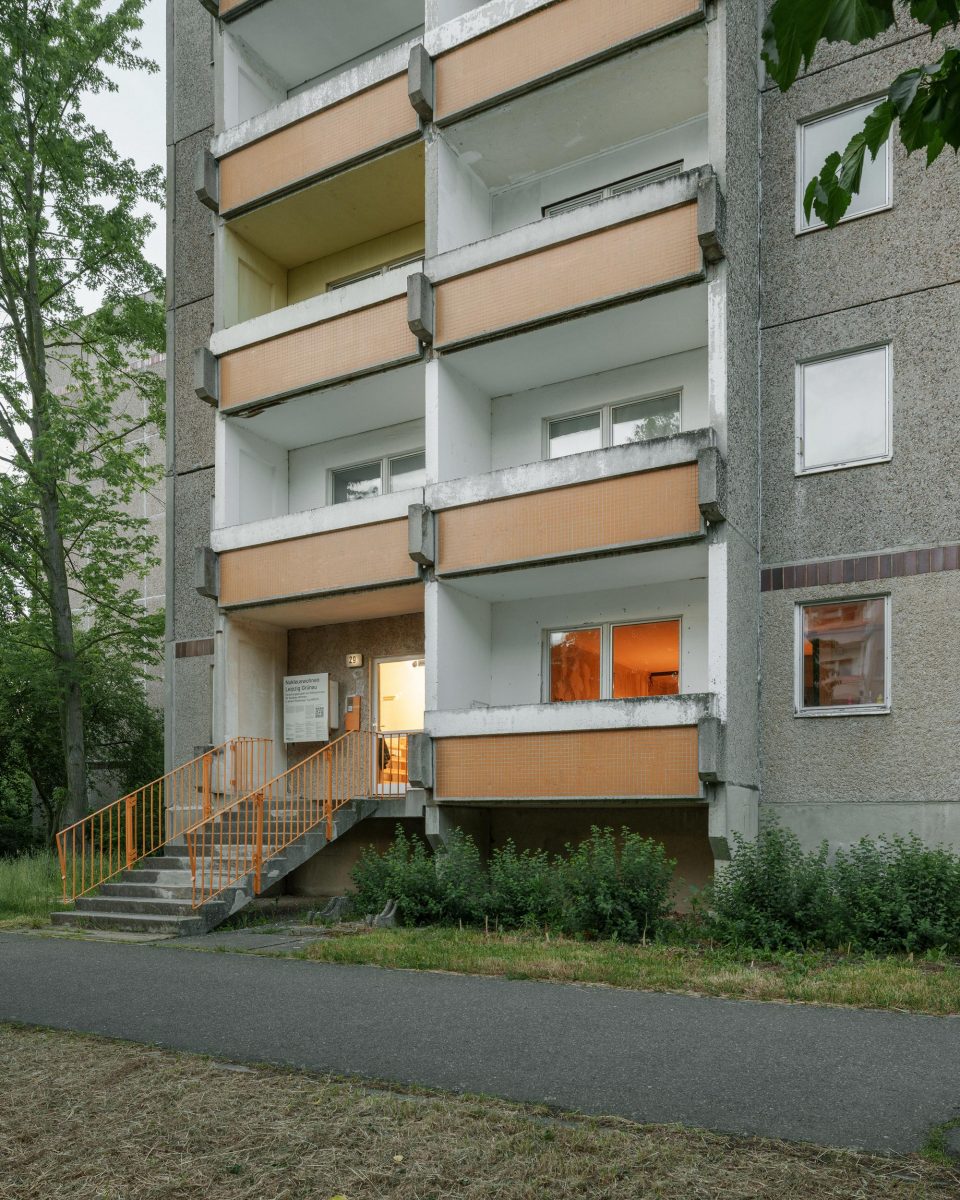
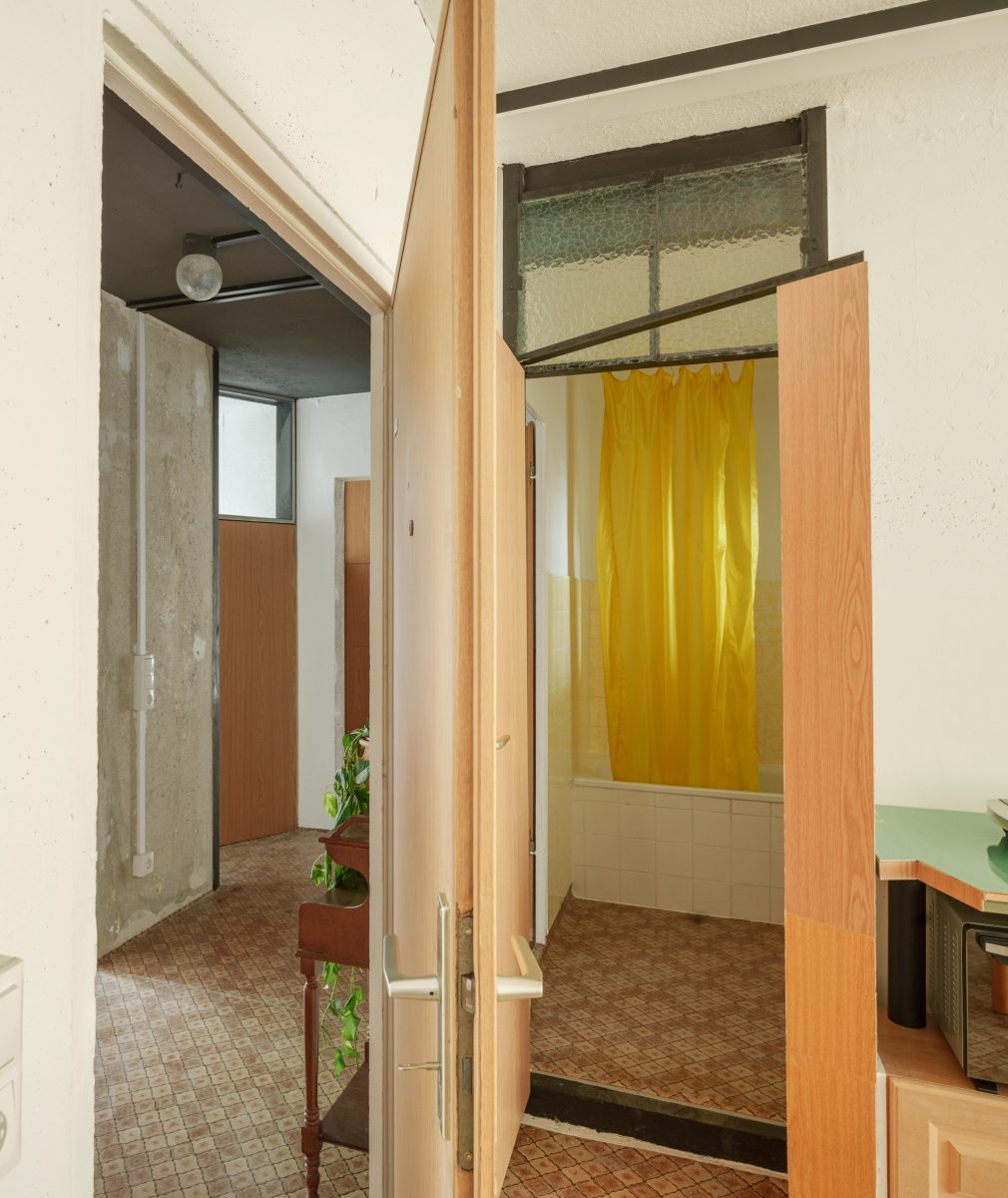
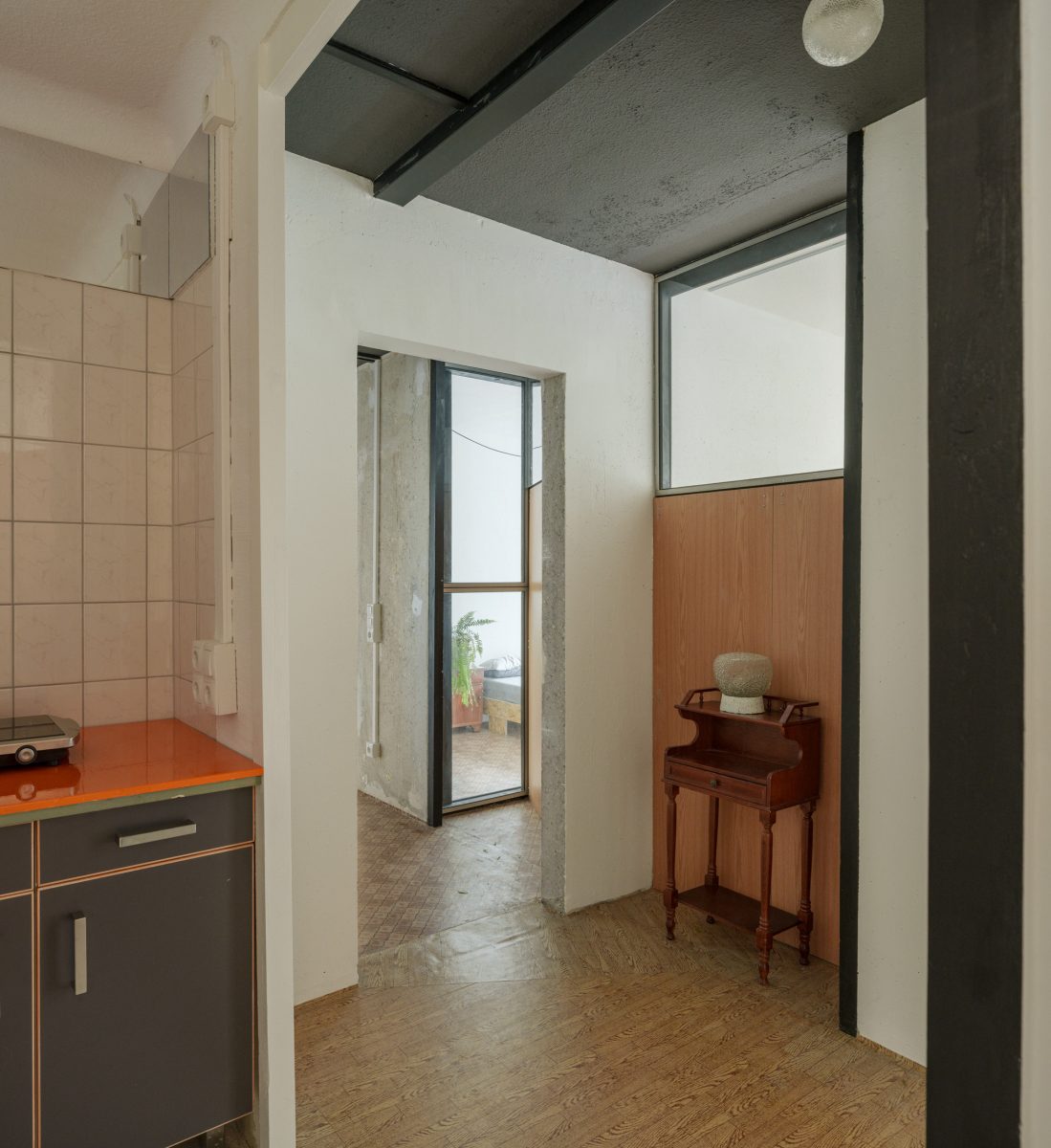
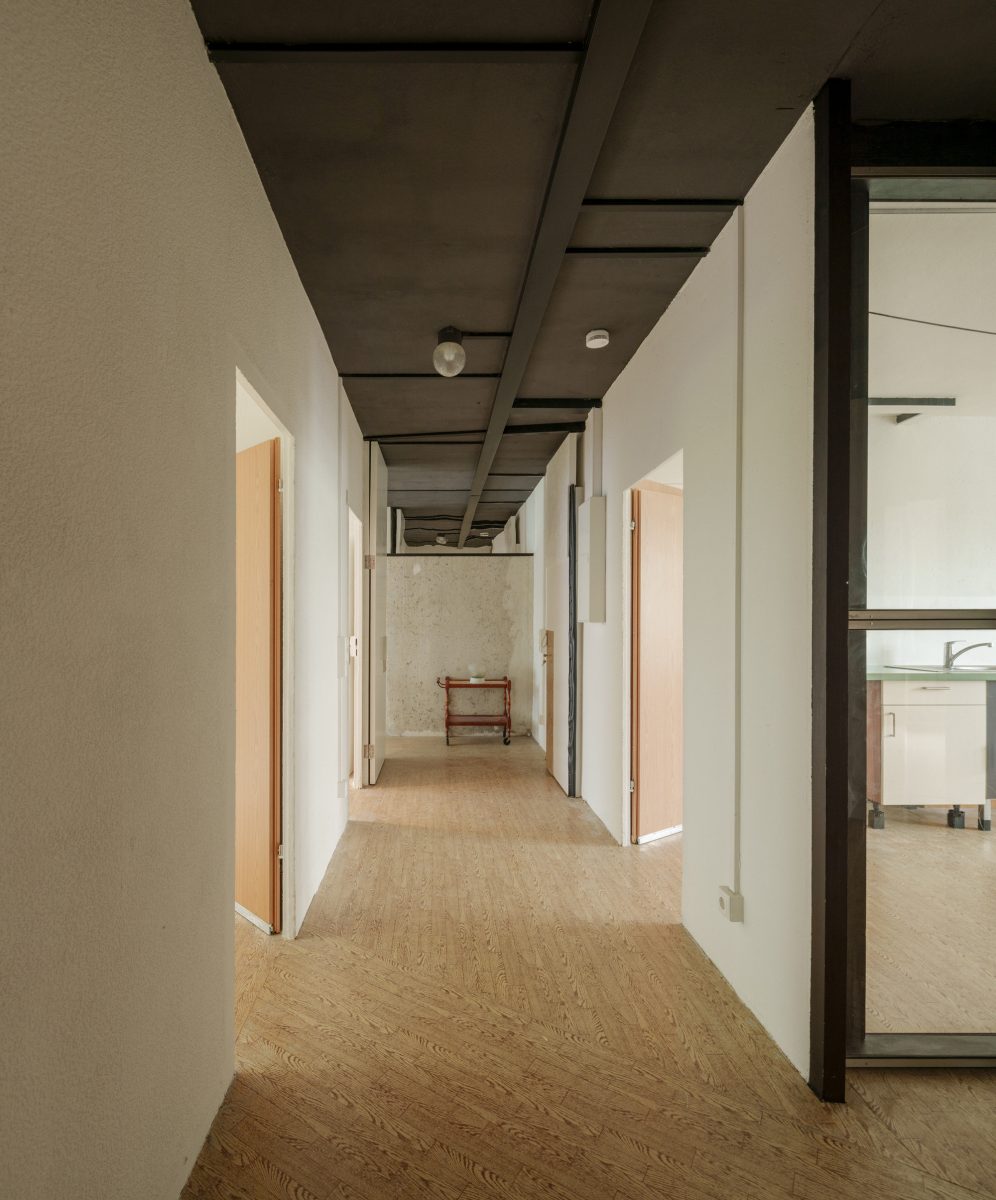
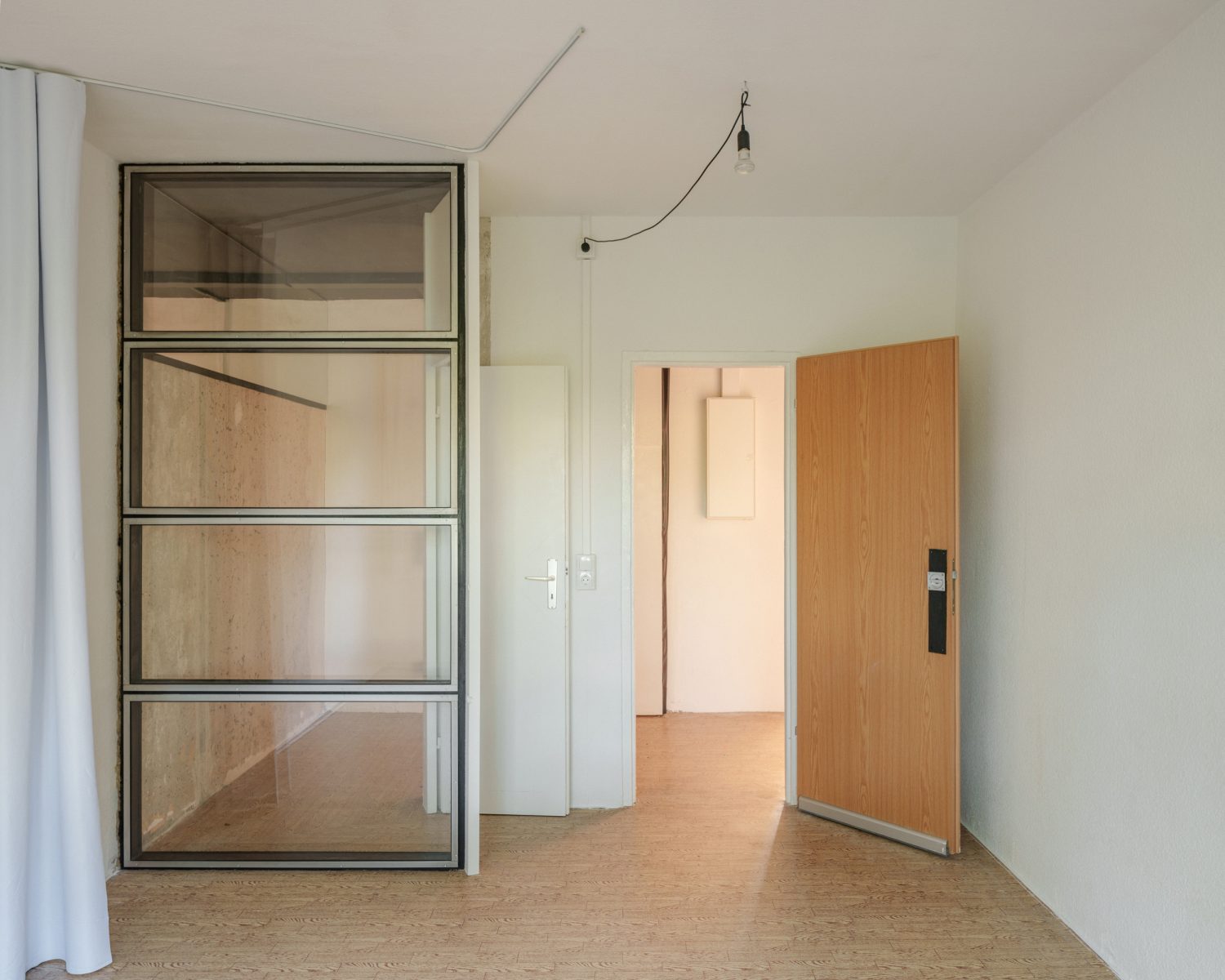
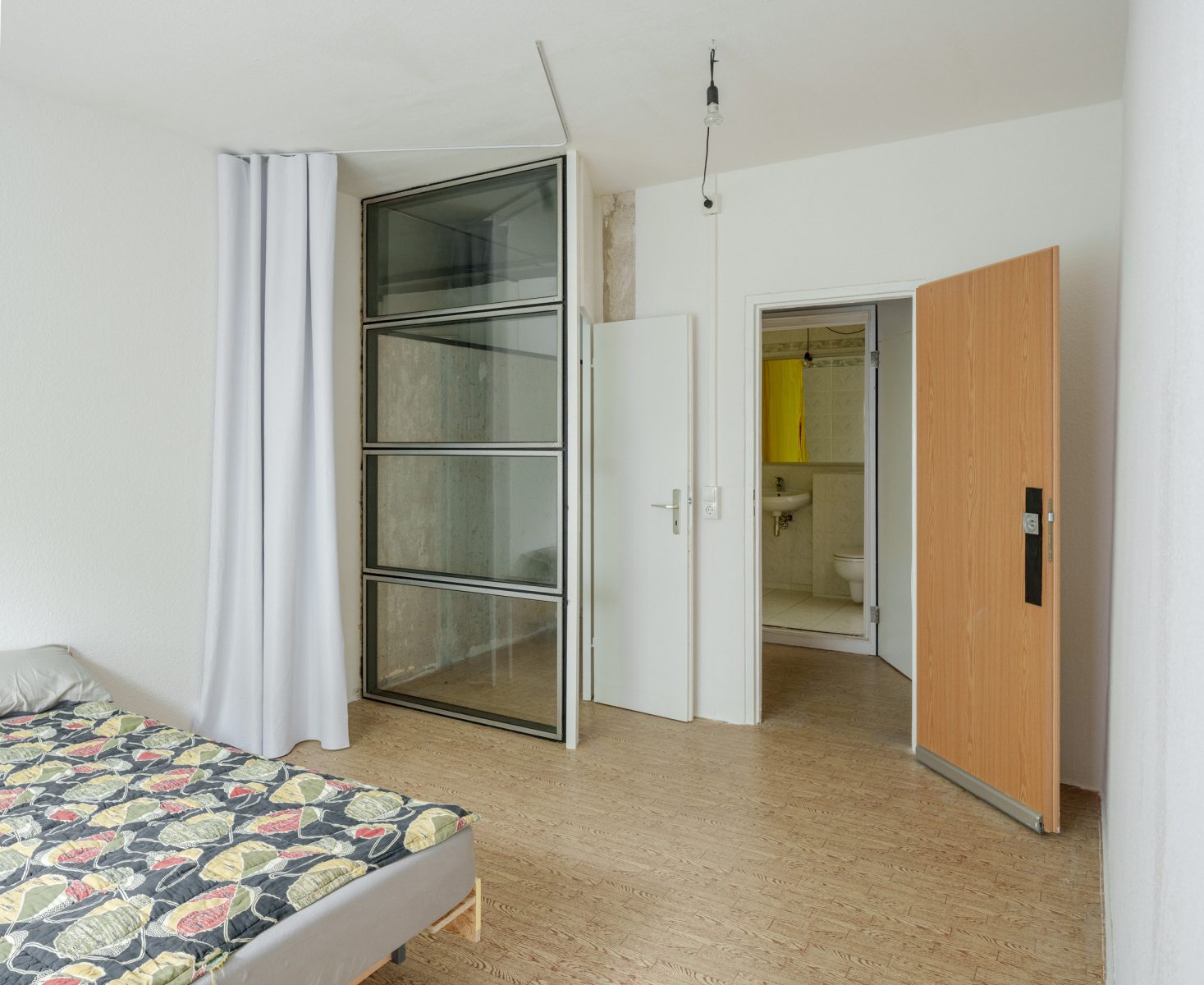
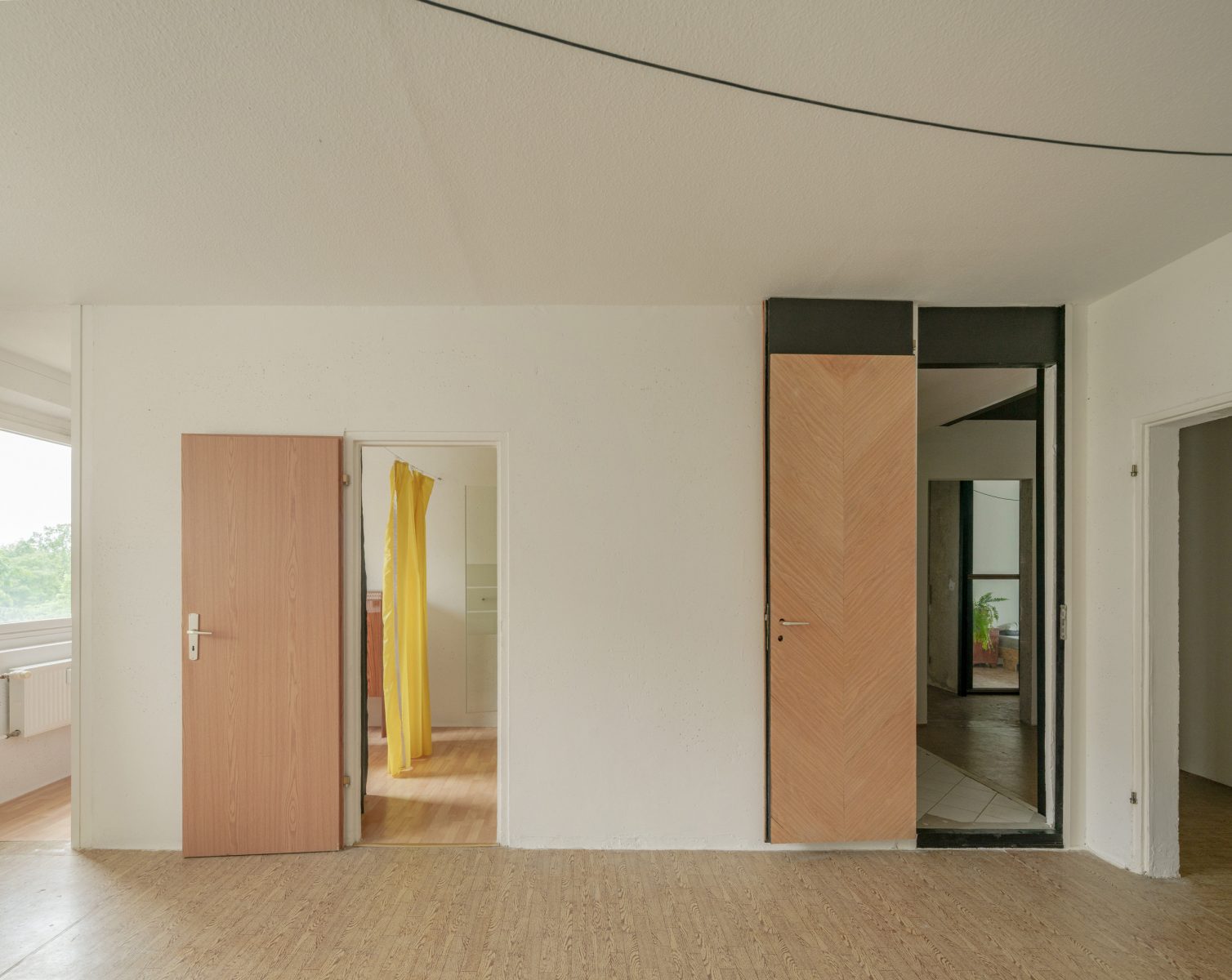
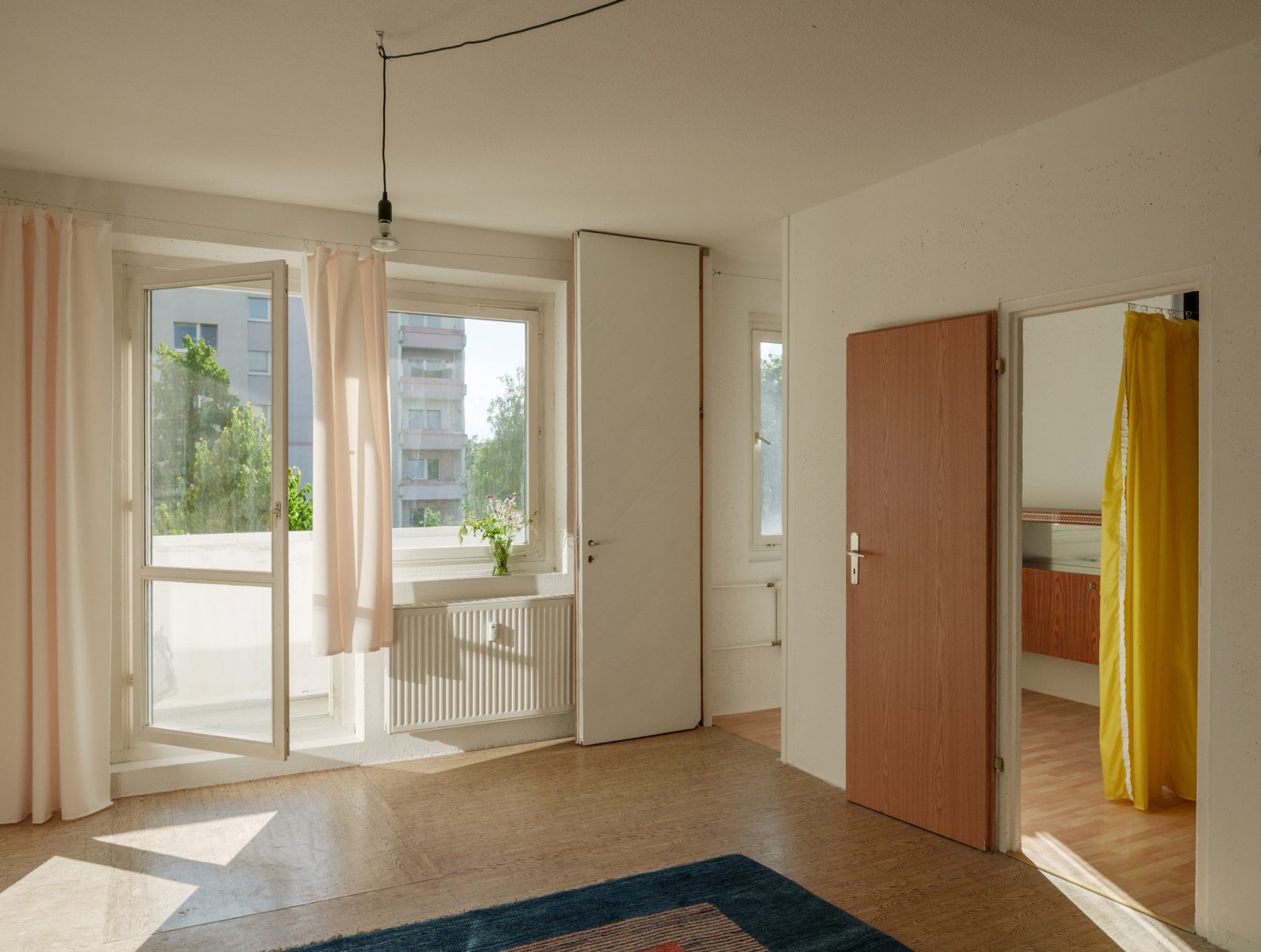
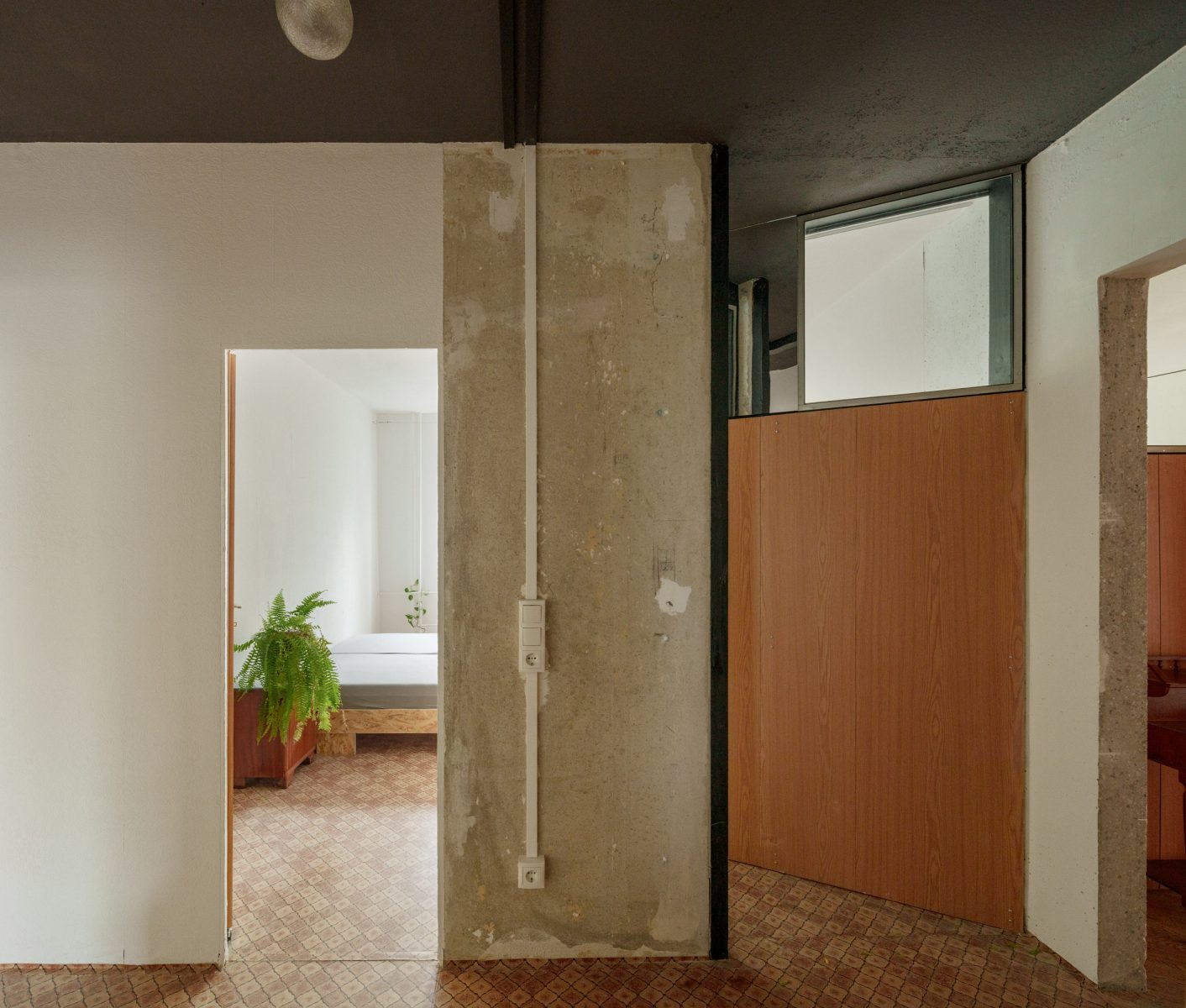
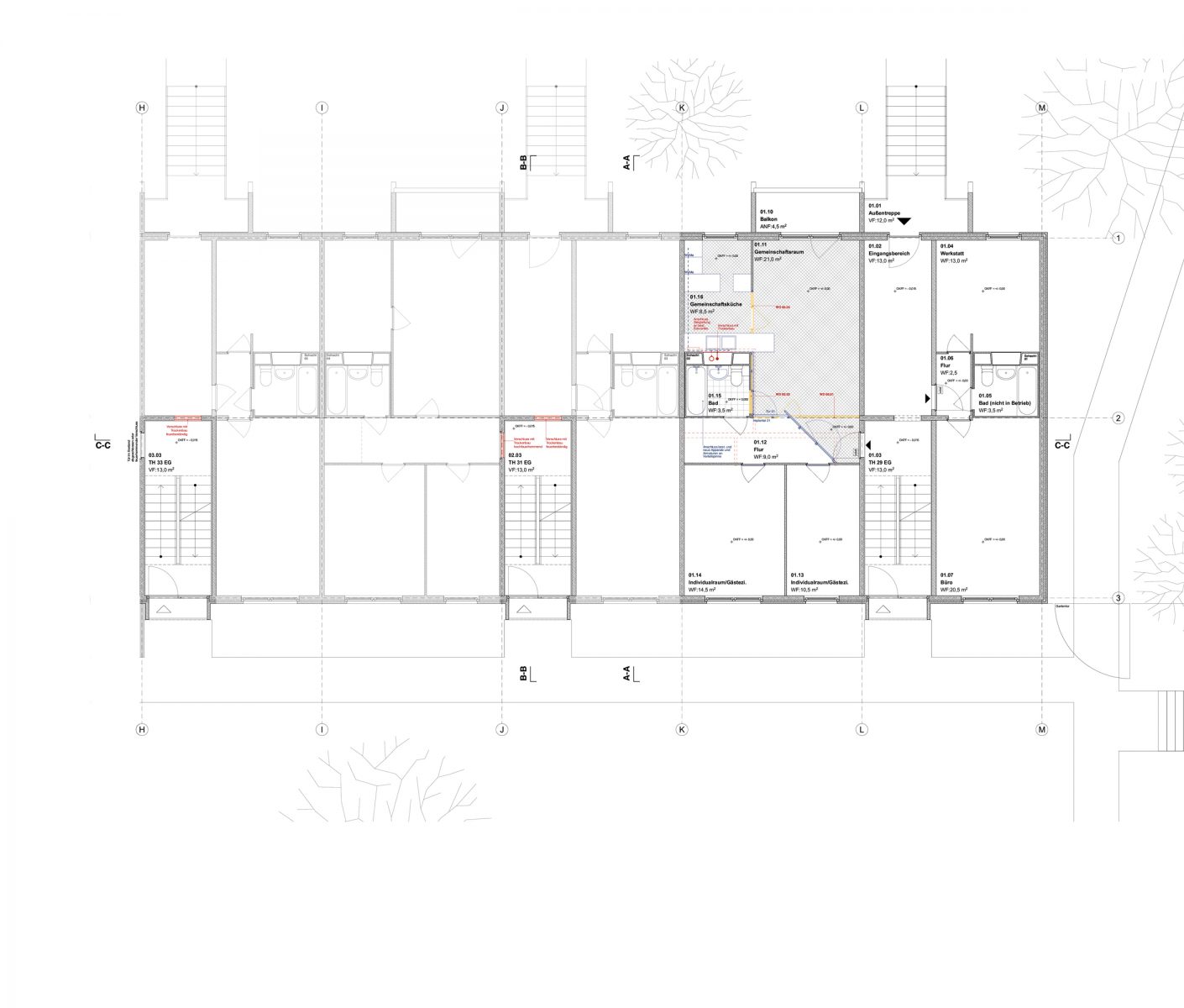
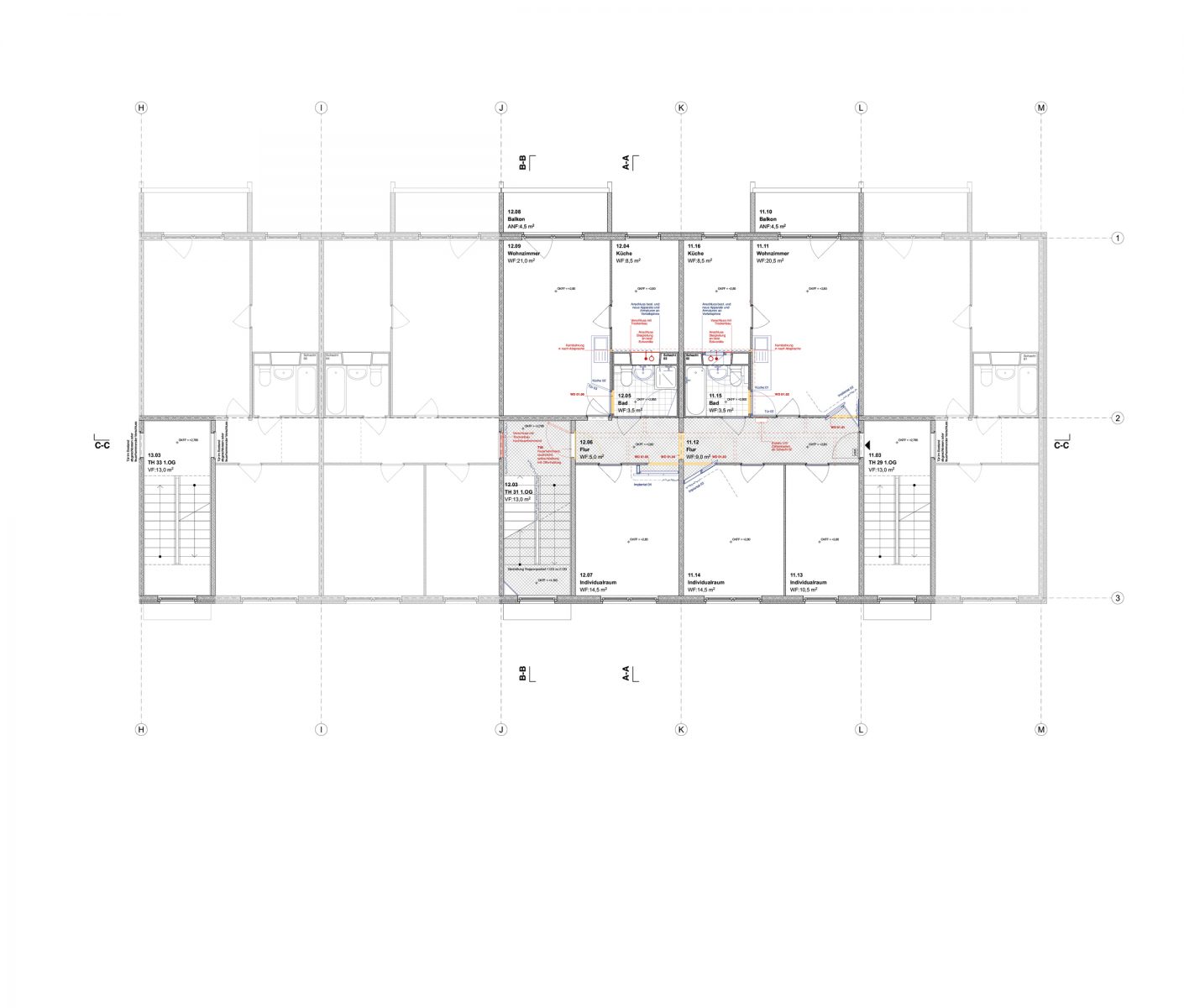
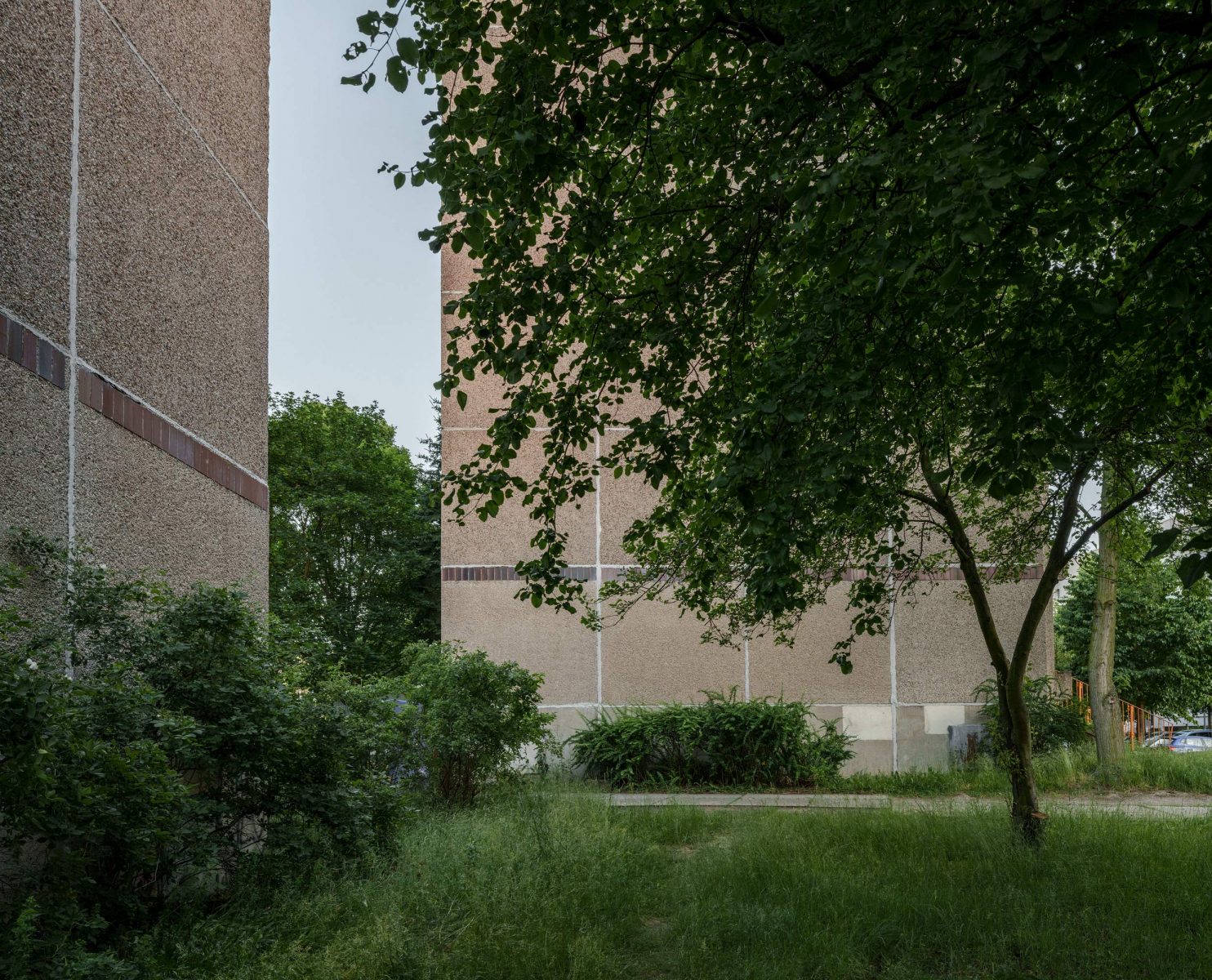
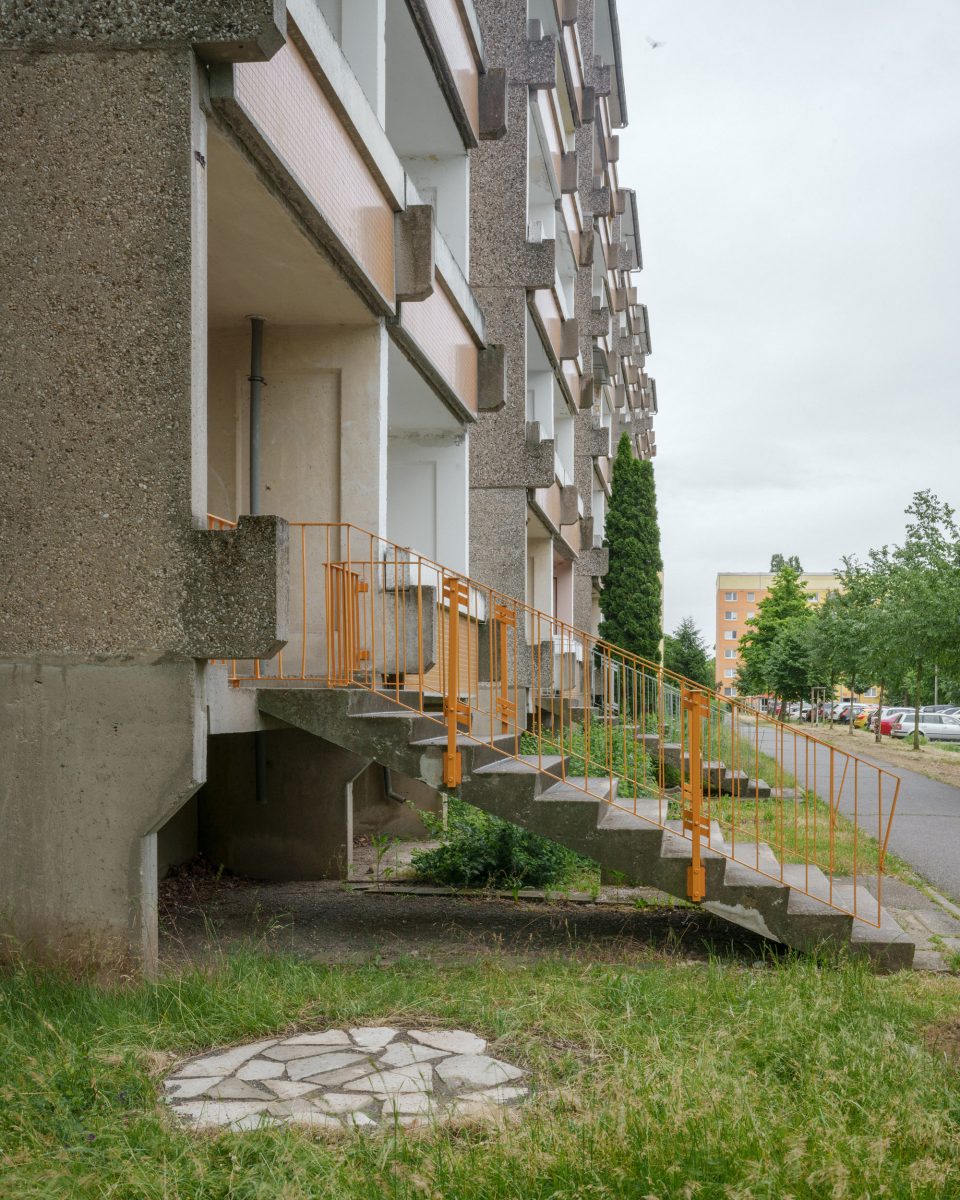
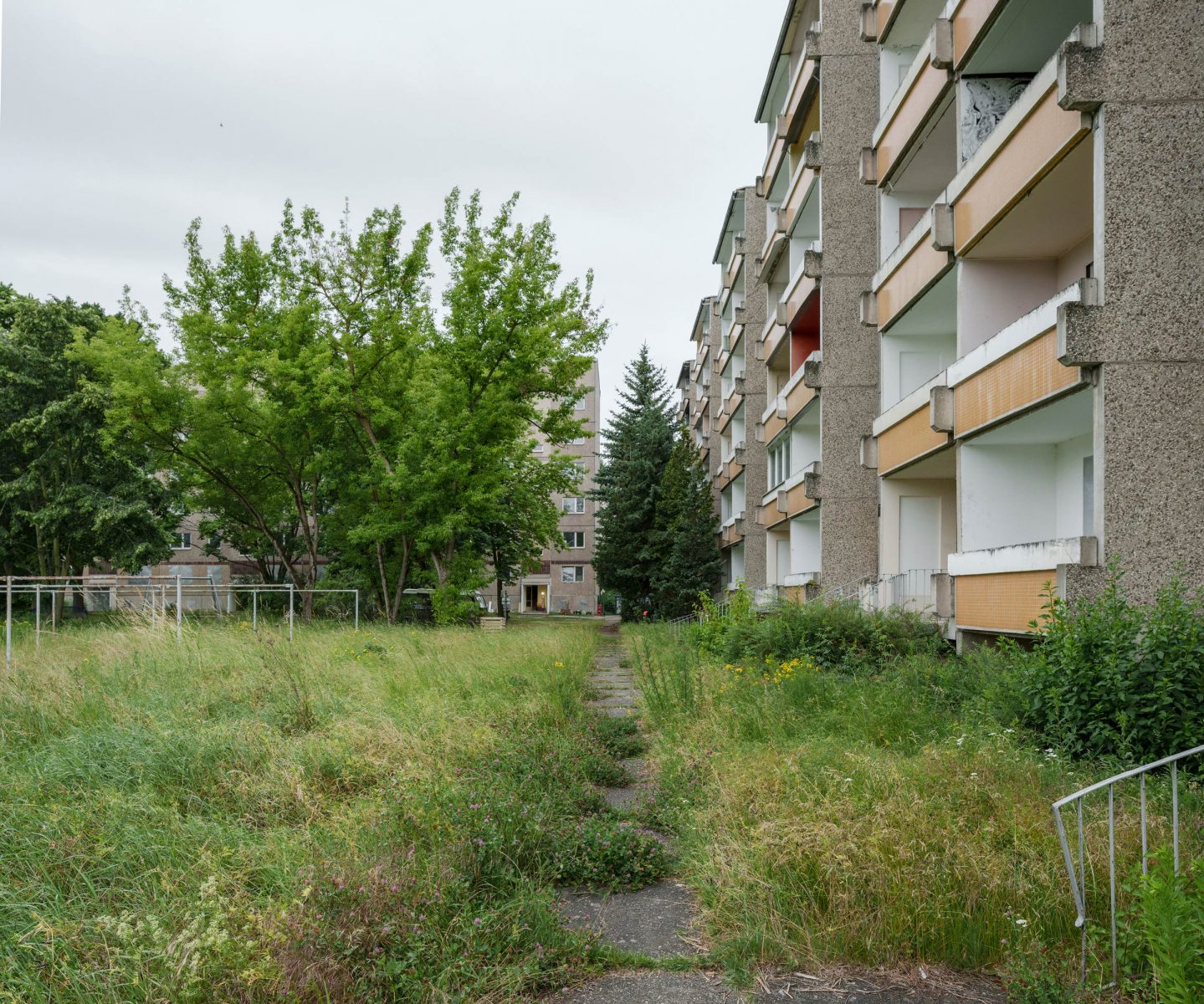
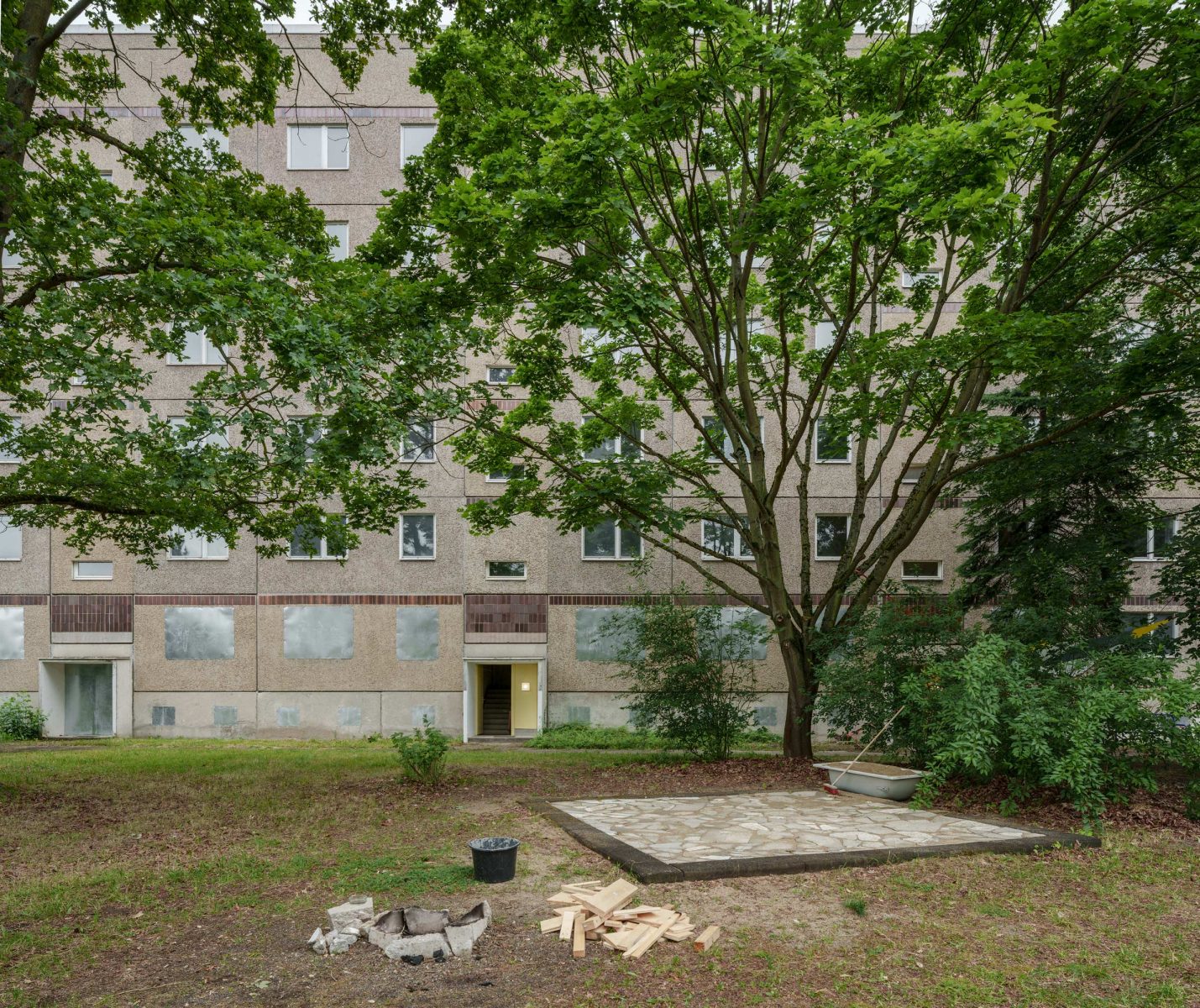
The Chair of Chair of Housing and Design Basics at RWTH Aachen University is conducting research in collaboration with the architectural practice Almannai Fischer through a practical test of the housing concept Nucleus Living. In an empty WBS 70 building in Leipzig-Grünau, ten apartments are being converted and will initially be brought back into use for two years. On 15 June 2026, the first trial living phase commenced with approximately 14–16 trial residents. The project is part of the anniversary celebrations marking 50 Years of Grünau and is generously supported by the housing cooperative “Lipsia” eG, the City of Leipzig, and B&O Bau und Projekte GmbH.
The current housing shortage in Germany – particularly acute in urban centres – stems not least from an inadequate housing supply rather than merely a lack of housing units. Living on too little or excessively generous floor space raises one of the fundamental questions of distributive justice in housing.
Unlike contemporary debates surrounding the so-called construction accelerator and new-build housing, this real construction project and research initiative directs attention towards the latent potential of the existing stock and its currently dormant qualities. That this opportunity arises precisely in a WBS 70 building in Leipzig-Grünau’s Grünau district – which celebrates its 50th anniversary this year – proves, though purely coincidental, to be a perfect moment.
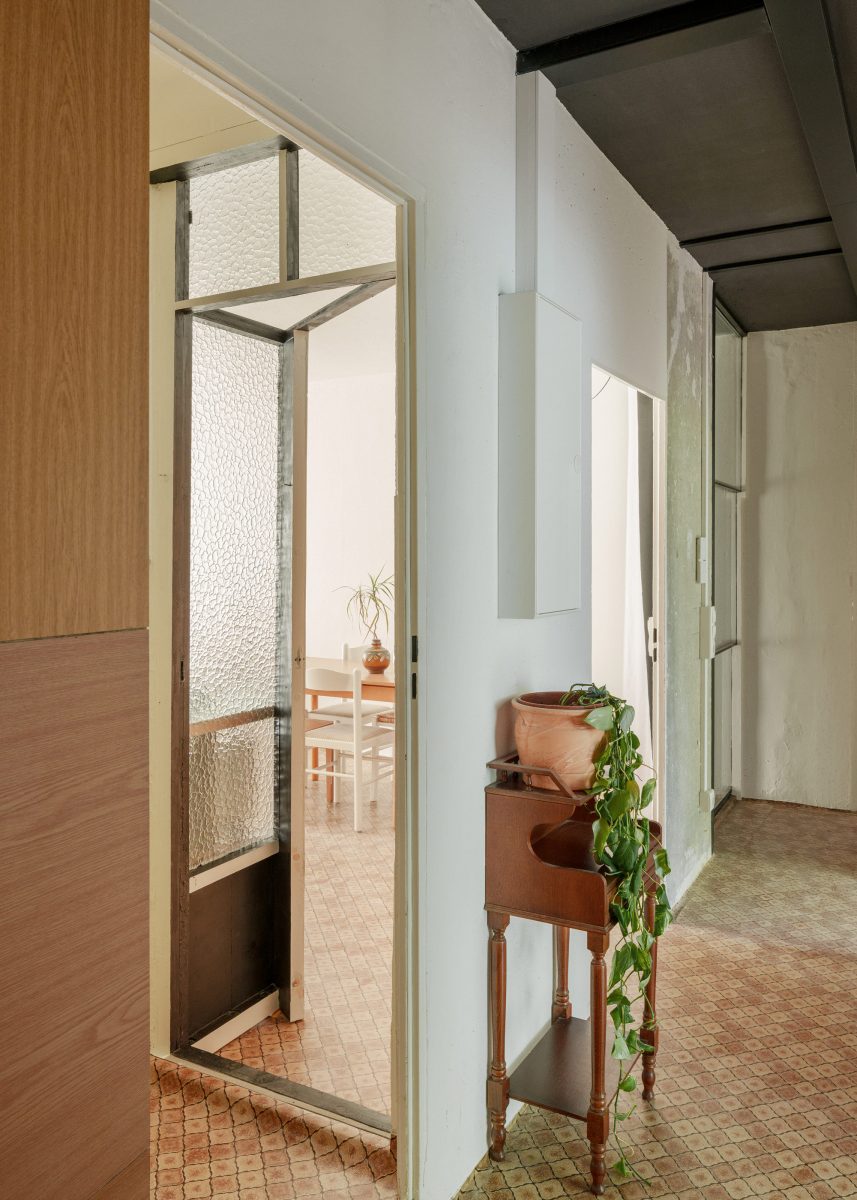
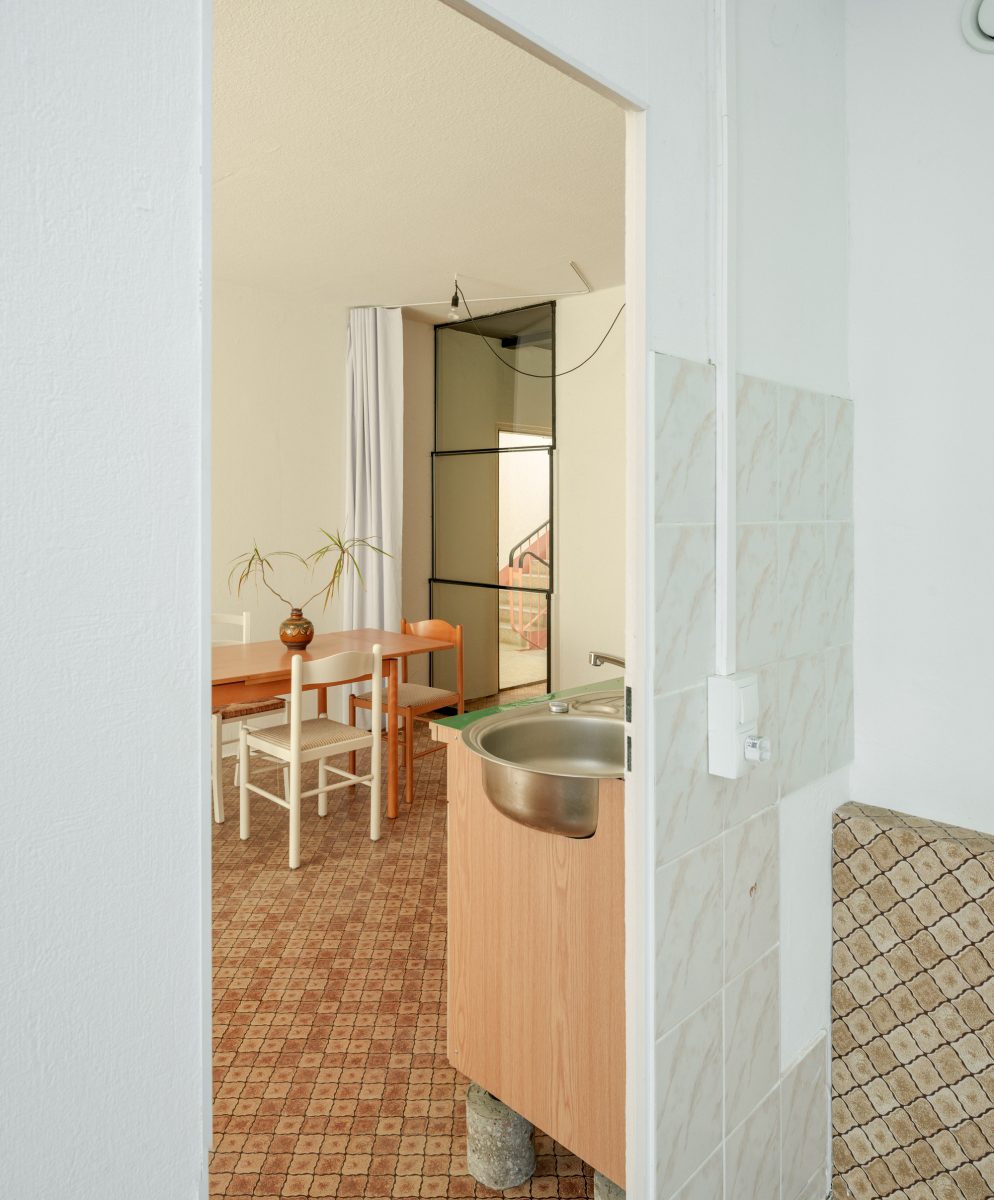
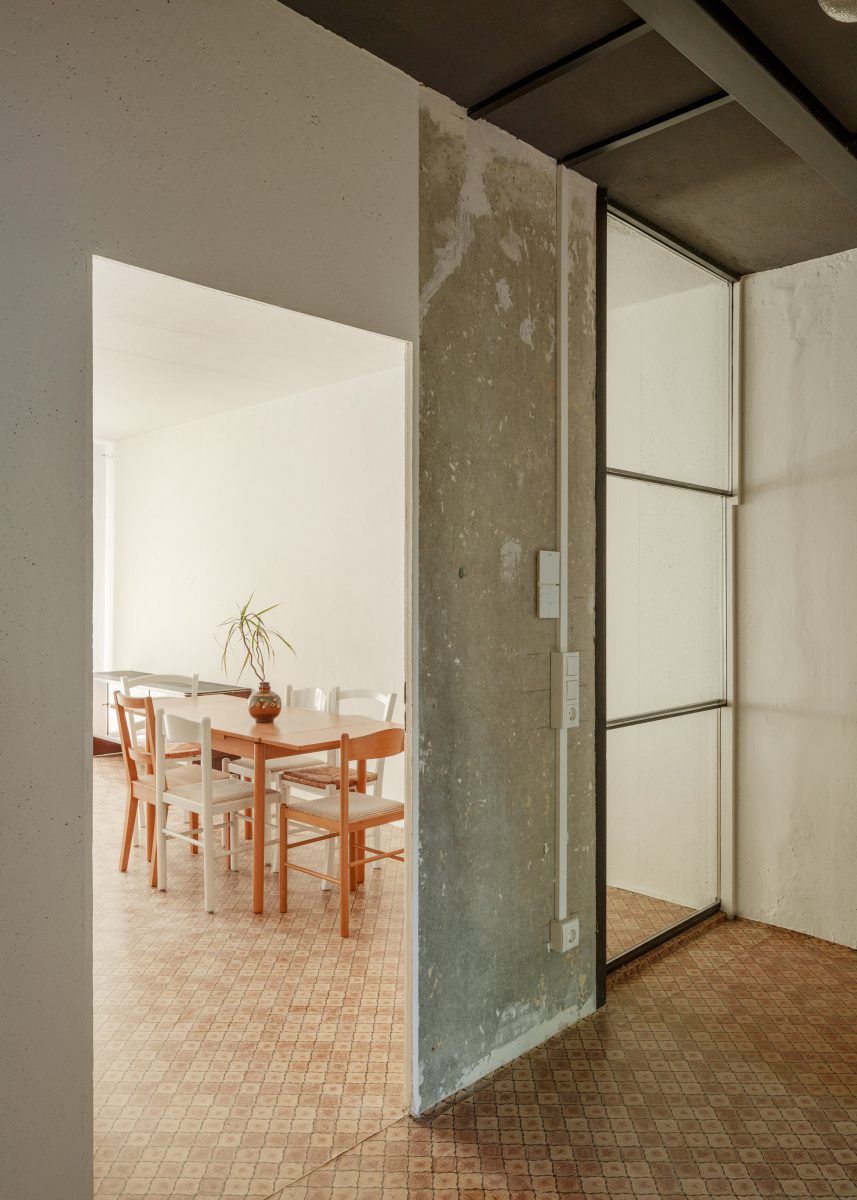
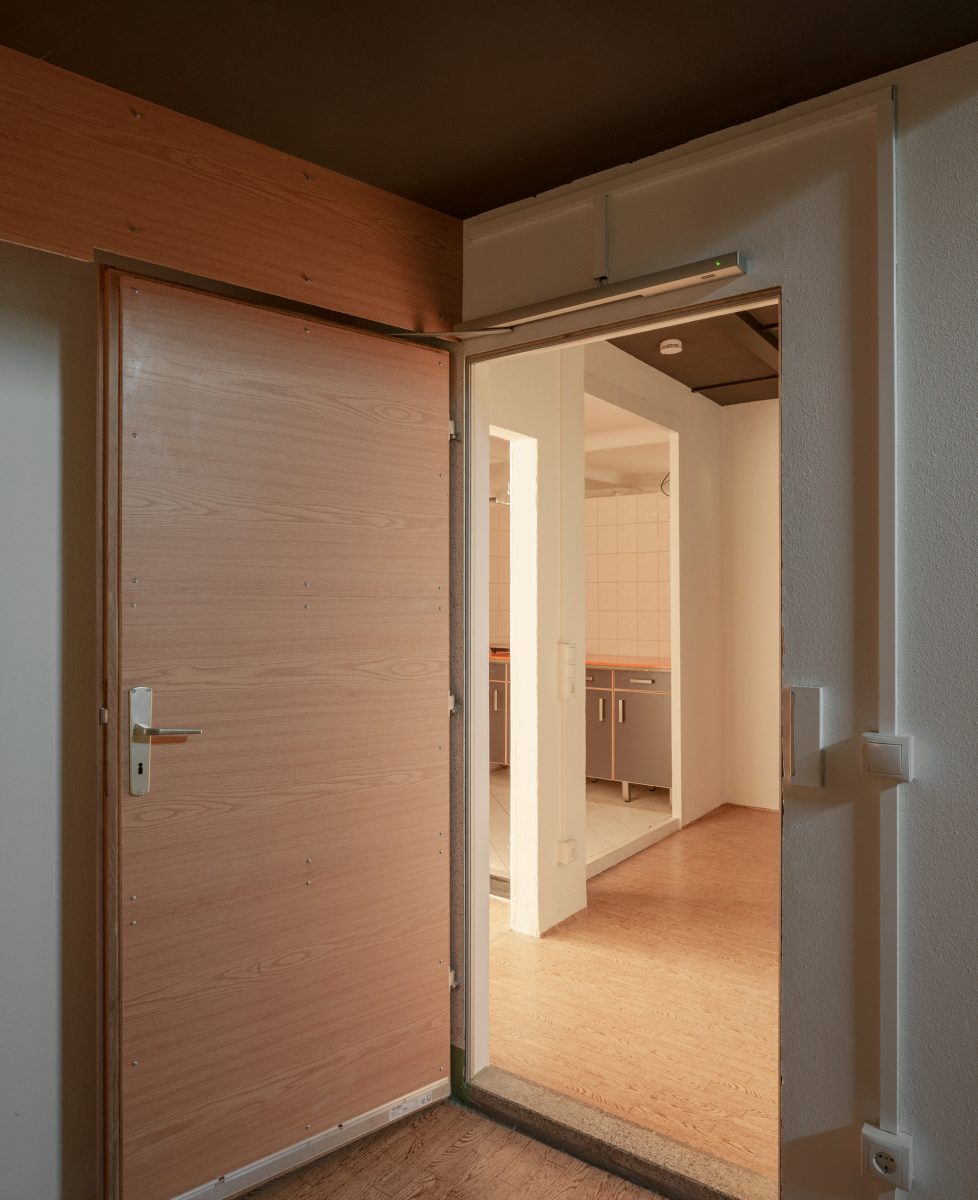
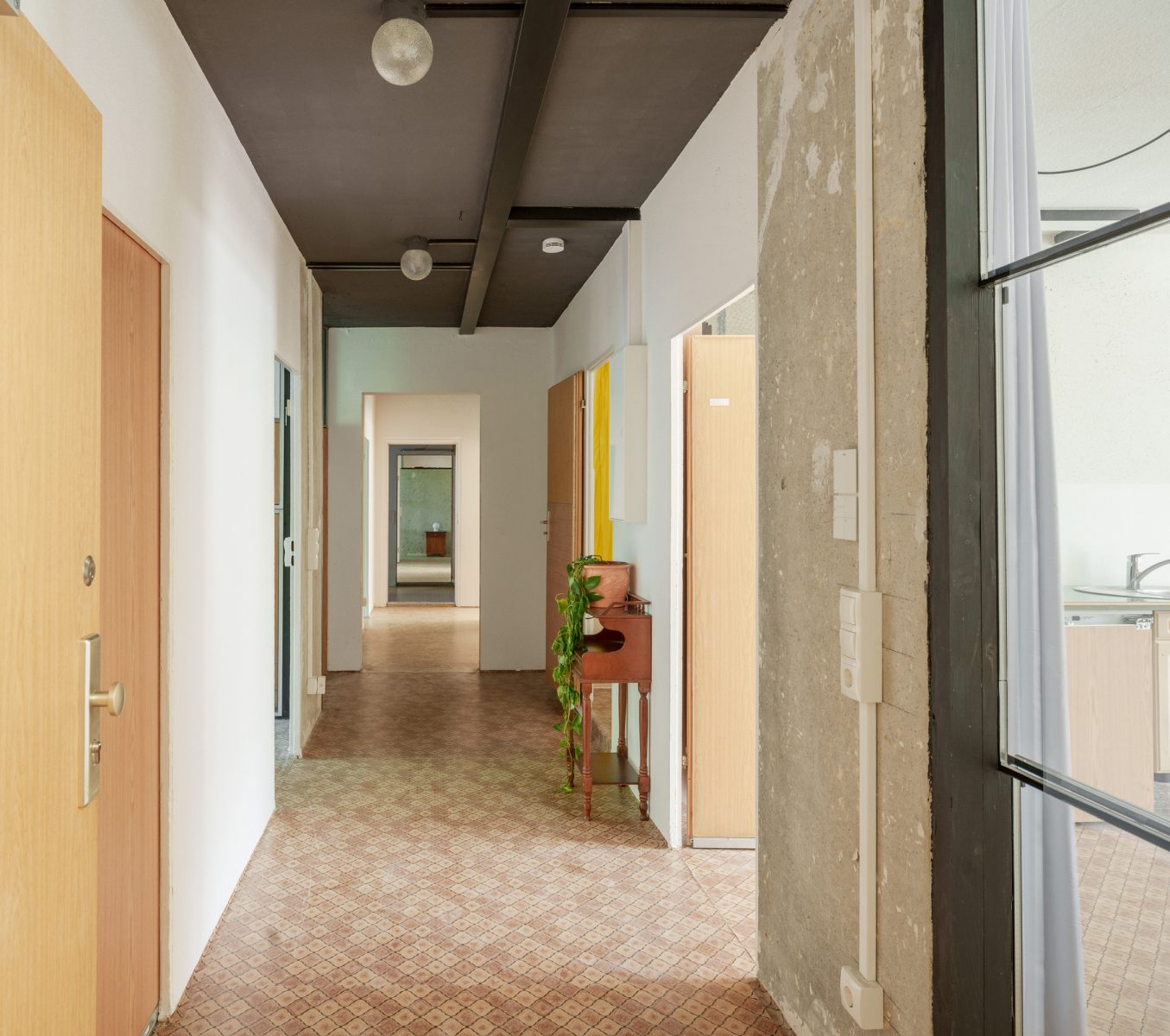
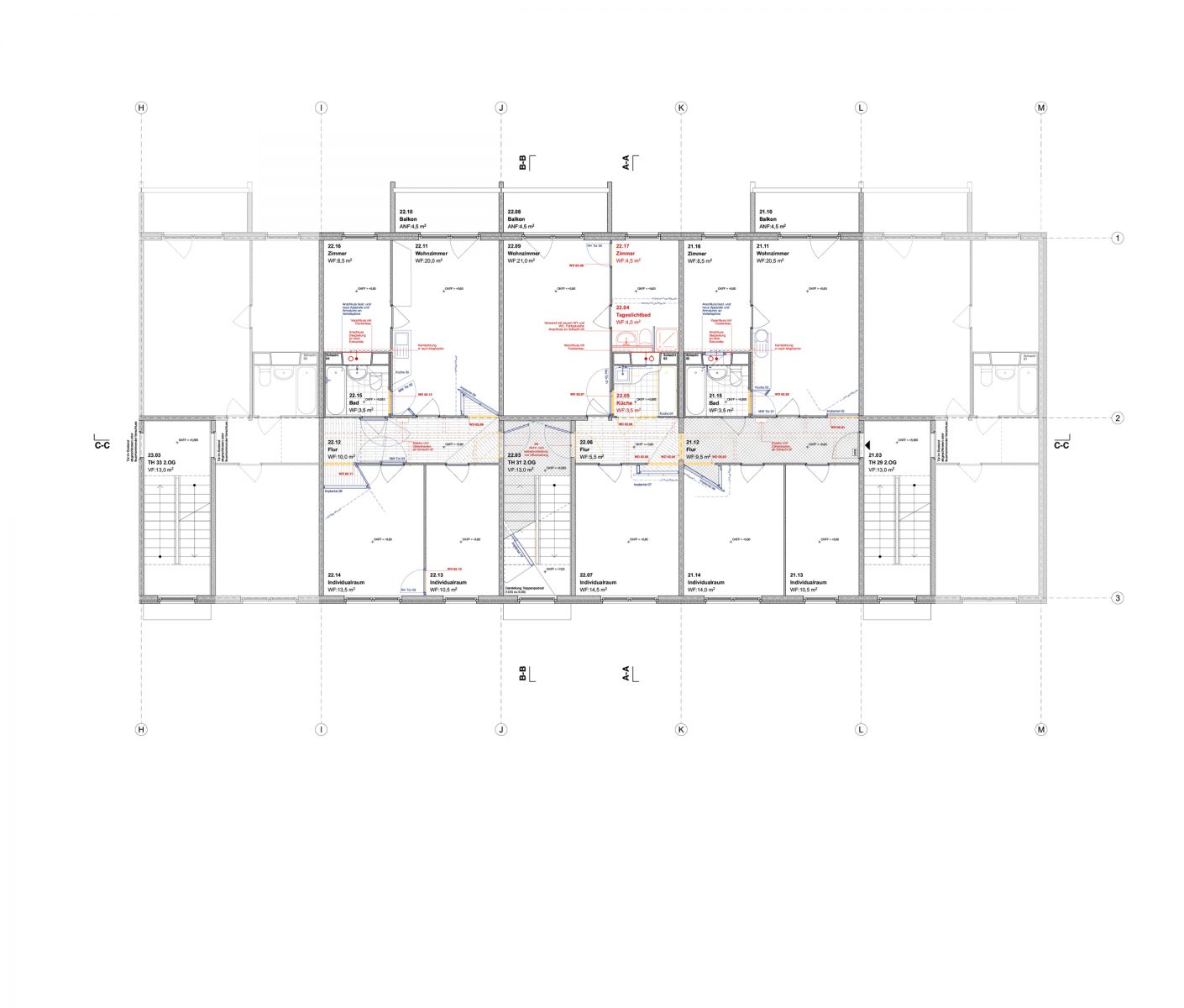
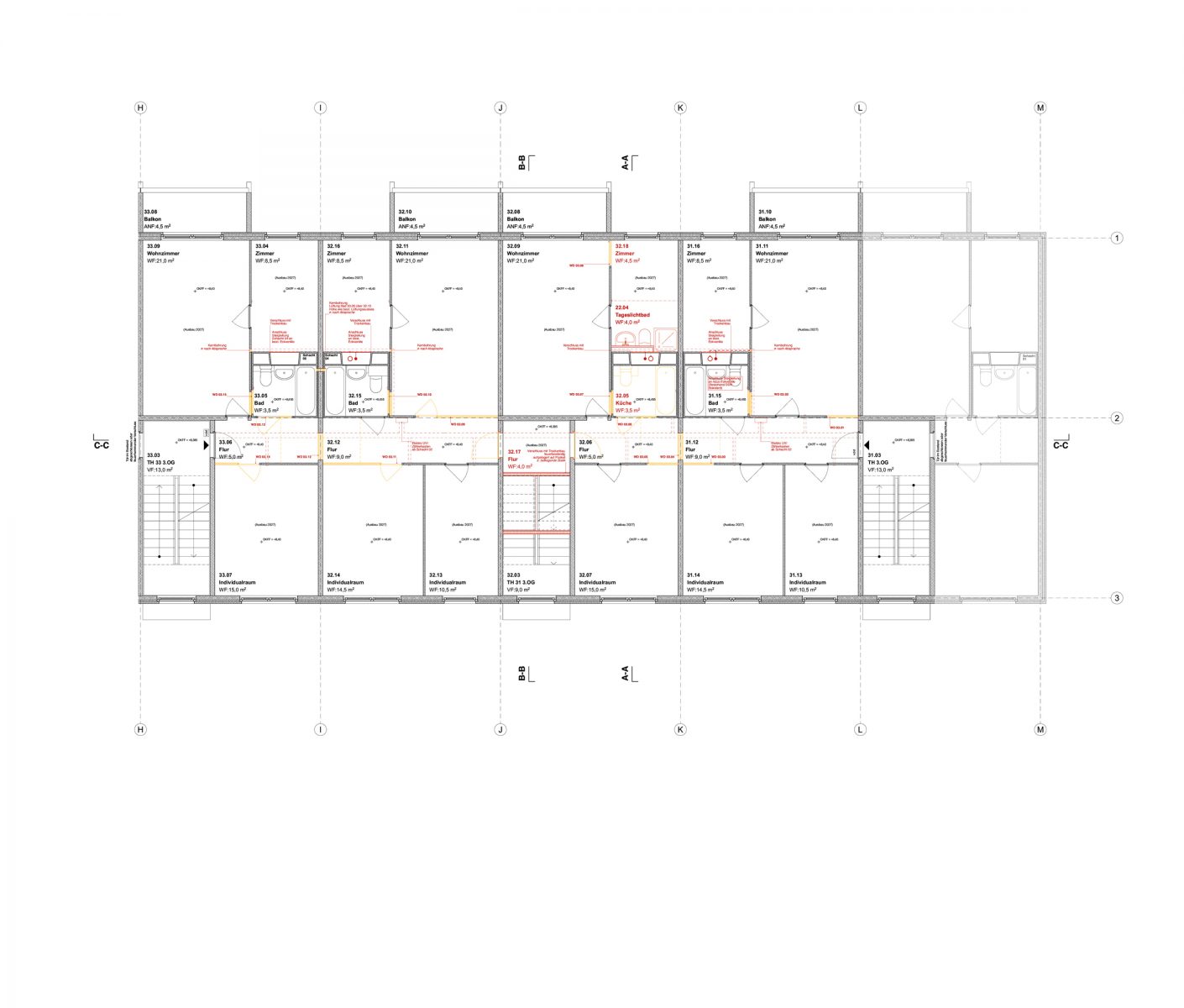
Nucleus Living in Leipzig-Grünau introduces a new and easily accessible flexibility through minor interventions in the existing stock. The Nucleus Living housing model redefines the conventional apartment boundary. It divides the available living space into a core apartment – the so-called nucleus – comprising a living room, kitchen, bathroom, and bedroom. This core remains entirely private and can be permanently assigned to its occupants throughout their lifetime. In addition, there are numerous flexible rooms, which can be flexibly added to individual nuclei as so-called switchable rooms for a specified period as needed. This requires shared access spaces – such as inviting corridors – for several residential units. However, the degree of community is decided freely by the residents. Unlike in shared flats or cluster housing, living in Nucleus Living is not necessarily communal by default. Perhaps this makes it conceivable for a broader cross-section of society.
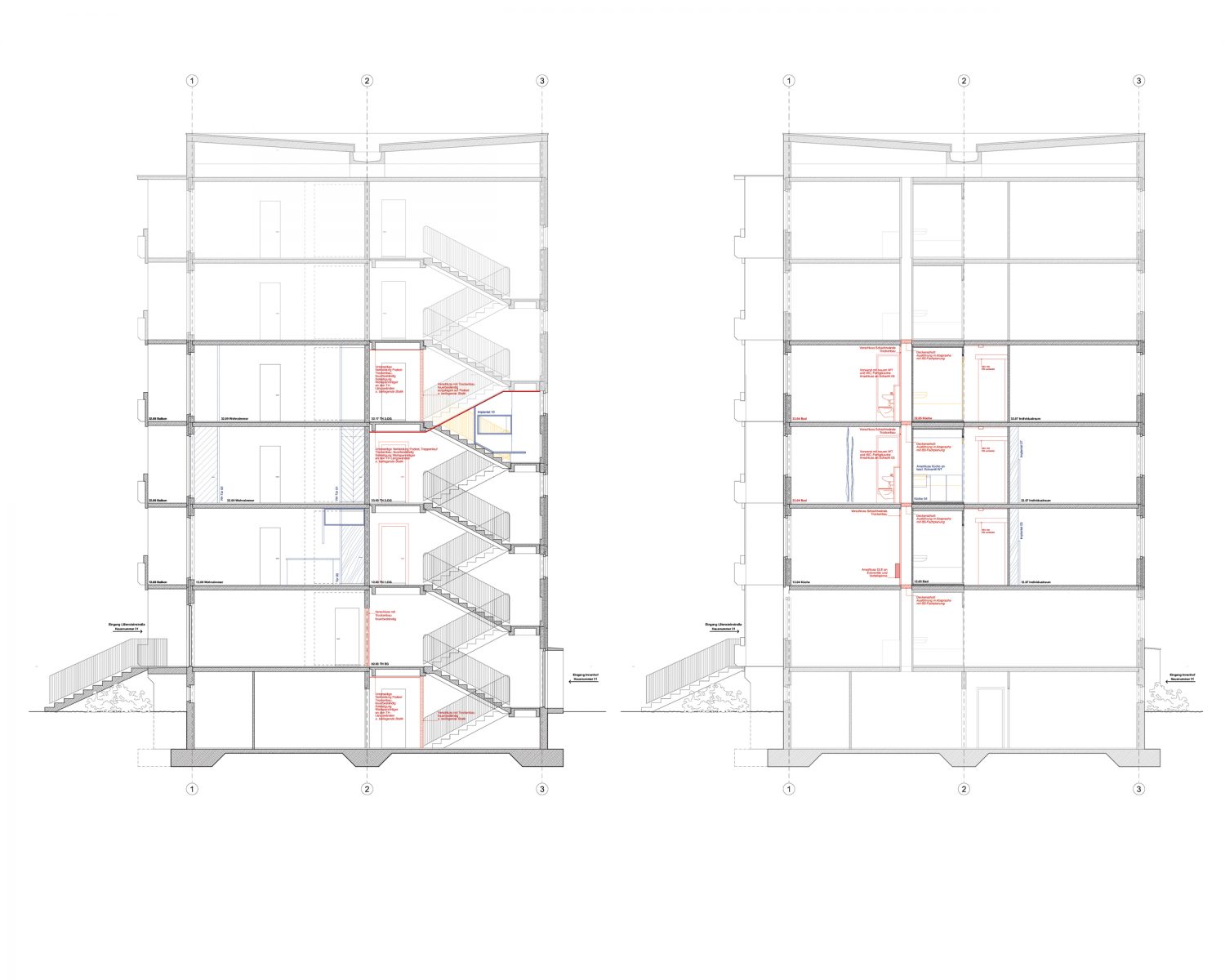
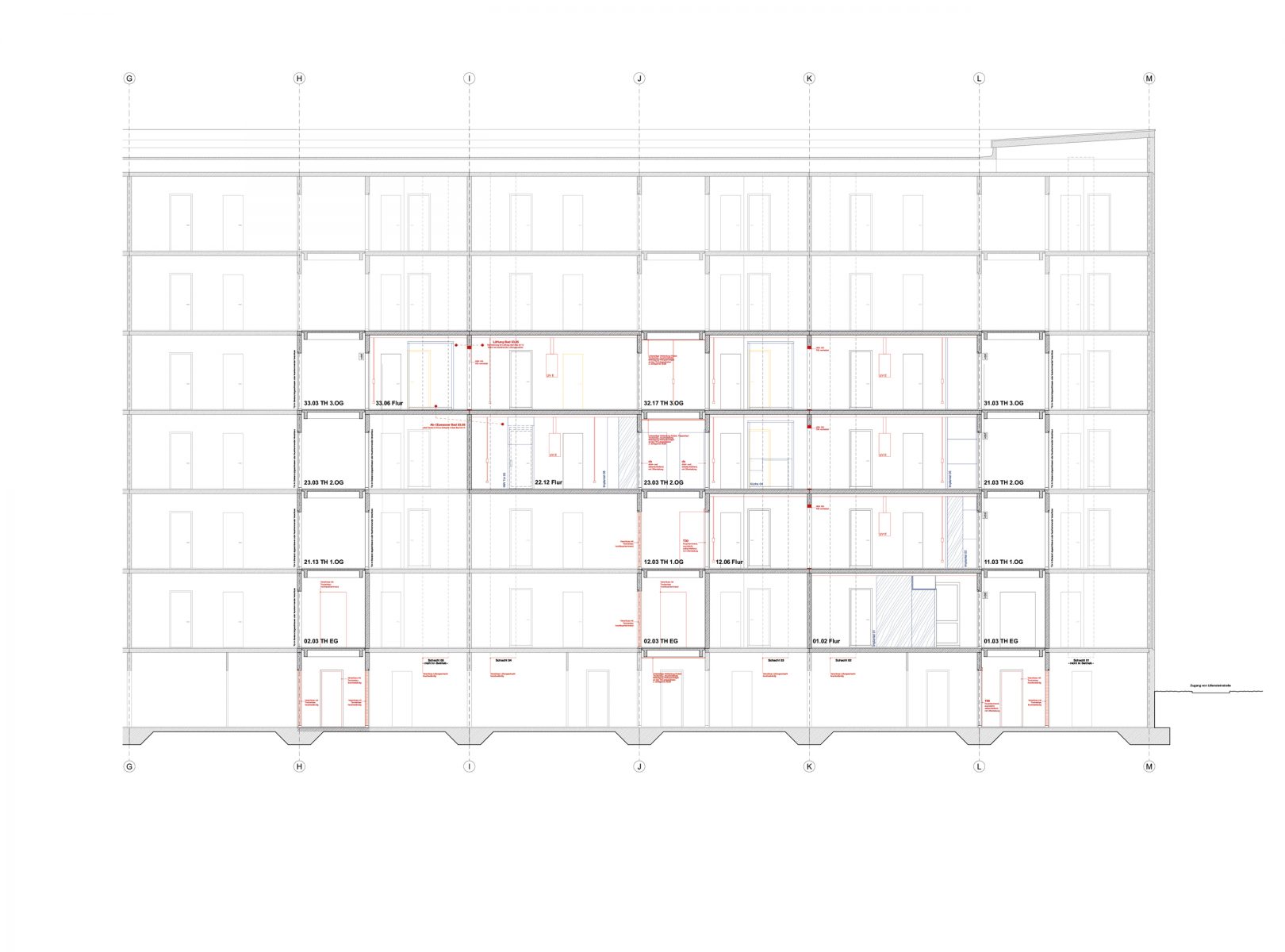
Integrating this housing model into the existing housing stock poses the acid test for a practicable transformation. Although implemented as a temporary project in Grünau, it has already secured an indefinite building permit in terms of construction law, fire safety, and structural engineering, and thus presents a prototypical solution. It can therefore serve as a model for the widespread WBS 70 typology, as well as for other residential buildings.
Authors:
Reem Almannai, Sophia Branz, Florian Fischer, Marius Helten, Robert Saat, Felix Schaller, Nina Vollbracht, Yanik Wagner
https://nukleuswohnen.site
Photos: Sebastian Schels
Cover Image: Stella Weiss